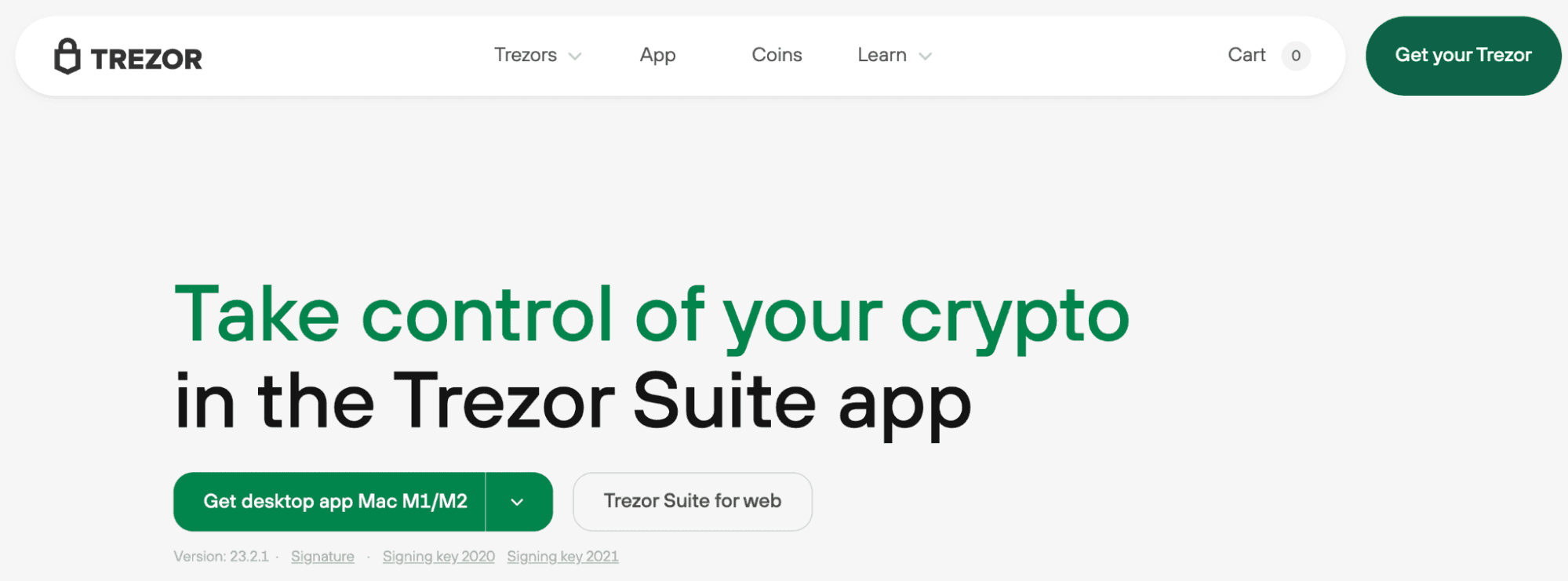
Trezor.io/start: How to Set Up Your Crypto Wallet Safely
Cryptocurrency gives you complete control over your money—but it also places the responsibility of security squarely on your shoulders. Unlike traditional banking, blockchain transactions cannot be reversed, and lost or stolen funds are gone forever. That’s why a hardware wallet is essential for anyone serious about protecting their crypto. Trezor is one of the most trusted names in hardware wallets, and the safest way to start is with the official setup guide at Trezor.io/start.
This page walks you through every step of wallet setup, ensuring your device is authentic, your firmware is up to date, and your recovery options are secure.
Why Trezor.io/start Is Important
Trezor.io/start is the official starting point for setting up your Trezor hardware wallet. It provides verified instructions for:
Connecting your device
Installing the latest firmware
Creating a wallet
Securing your recovery phrase
Using unofficial sites or downloads can expose your crypto to hackers, scams, or malware. By starting at Trezor.io/start, you’re taking the safest path to securing your digital assets.
Why Hardware Wallets Are Essential
A hardware wallet keeps private keys offline, completely disconnected from the internet. This design makes it far more secure than mobile wallets, online wallets, or exchange accounts. Even if your computer or phone is compromised, your crypto remains protected because all sensitive actions occur on the Trezor device itself.
Key advantages of using Trezor include:
Private keys never leave the device
Physical confirmation is required for every transaction
Protection from malware and phishing attacks
Open-source software for transparency
Full ownership and control of your assets
For beginners and experienced traders alike, a hardware wallet is a cornerstone of crypto security.
Step-by-Step Setup
Trezor.io/start provides clear, model-specific instructions for Trezor One and Trezor Model T, making setup straightforward and safe.
Step 1: Connect Your Device
Plug your Trezor into a computer or mobile device using the supplied USB cable. Check that the packaging was sealed when you received it. Trezor devices are shipped without firmware preinstalled to ensure they haven’t been tampered with.
Step 2: Install Trezor Suite
Next, download Trezor Suite, the official app for managing your wallet. Trezor Suite serves as the interface for interacting with your crypto while keeping private keys offline.
With Trezor Suite, you can:
Send and receive crypto safely
Monitor balances and transaction history
Manage multiple wallets and accounts
Customize privacy and security settings
Always download Trezor Suite from the official Trezor.io/start link to avoid fake or malicious software.
Step 3: Install Firmware
Once your device is detected, Trezor Suite will guide you through firmware installation. Firmware updates include critical security improvements and ensure the device works smoothly. Follow the instructions carefully, and never disconnect the device during installation.
Creating a Wallet and Recovery Phrase
After firmware installation, your Trezor generates a recovery phrase, usually 12 or 24 words displayed directly on the device screen.
Why the Recovery Phrase Is Critical
The recovery phrase is the master key to your wallet. If your device is lost, stolen, or damaged, this phrase is the only way to restore access to your crypto. Anyone who has it can control your funds, so secure storage is vital.
Best practices include:
Write your recovery phrase on paper
Store it offline in a secure location
Never save it digitally
Never share it with anyone
Trezor.io/start emphasizes this step because mishandling recovery phrases is one of the most common causes of lost funds.
Setting a PIN and Optional Security Features
After securing your recovery phrase, set a PIN code to protect your device from unauthorized access. Each incorrect attempt triggers increasing delays, preventing brute-force attacks.
Trezor also offers advanced security features:
Passphrase-protected hidden wallets
Shamir Backup for multi-part recovery
Multiple accounts for better portfolio organization
These features allow you to customize your security based on your individual needs.
Supported Cryptocurrencies
Trezor wallets support a wide range of cryptocurrencies, making them ideal for diversified portfolios. Through Trezor Suite, you can manage:
Bitcoin (BTC)
Ethereum (ETH)
Litecoin (LTC)
Cardano (ADA)
Solana (SOL)
Thousands of ERC-20 tokens
All transactions are signed inside the device, ensuring private keys never leave the hardware wallet.
Common Setup Mistakes to Avoid
Even the most secure wallet can be compromised by mistakes. When setting up your Trezor via Trezor.io/start, avoid:
Entering recovery phrases online or into apps
Using unofficial software or browser extensions
Ignoring firmware updates
Photographing or digitally storing your recovery phrase
Following only the official instructions ensures your wallet and funds remain secure.
Why Trezor.io/start Is the Only Safe Source
Fake setup pages are a common method used by scammers to steal recovery phrases. Trezor.io/start is the only verified source for safely initializing your Trezor device.
Using the official page guarantees:
Authentic firmware installation
Accurate, model-specific instructions
Maximum protection from phishing and scams
Always double-check the URL and consider bookmarking the page for future reference.
Conclusion
Securing cryptocurrency starts with proper setup. A Trezor hardware wallet offers industry-leading protection—but only when configured correctly. Trezor.io/start provides a safe, step-by-step guide for connecting your device, installing firmware, creating a wallet, and safeguarding your recovery phrase.